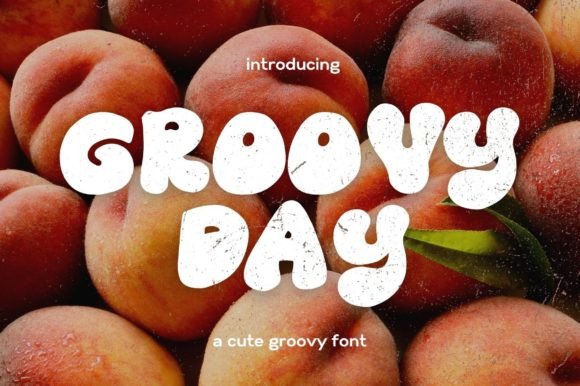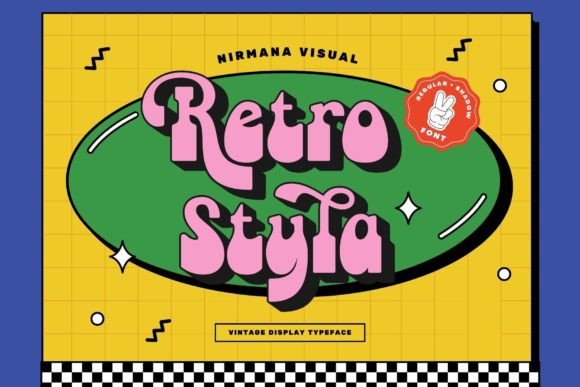
Groovy Syndrome Display Font for Retro Branding
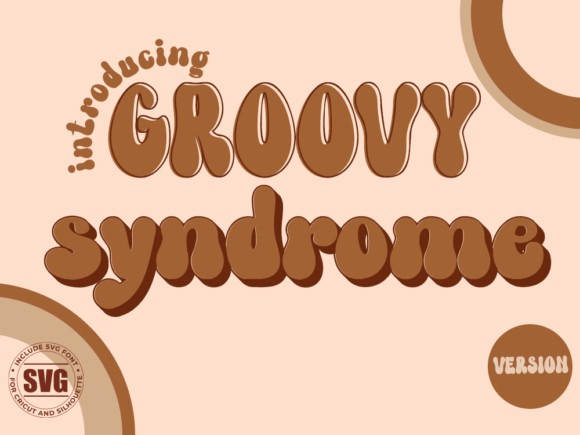
As a small business owner who designs every label, social post, and product tag myself, I know how much a single Groovy Syndrome display font can shape how customers see my brand—not as a side hustle, but as a real, intentional, trustworthy business. Groovy Syndrome is a hand-drawn, bubbly display font with a groovy look, and that personality shines through in every use case: from café chalkboard menus to handmade candle jars, from Instagram story quotes to limited-edition sticker sheets. It’s not just another decorative typeface—it’s a branding shortcut that adds warmth, nostalgia, and visual cohesion without requiring a designer on retainer.
Groovy Syndrome for T-Shirt Designs and Merchandise Branding
When you sell apparel—whether it’s vintage-inspired tees for your boutique or motivational quote shirts for your coaching practice—Groovy Syndrome gives your text instant character and memorability. Unlike generic script fonts or overused sans serifs, this Display font feels human, playful, and confidently retro. I’ve used Groovy Syndrome on organic cotton crewnecks for my wellness brand, pairing it with a clean sans serif for care instructions—and the contrast made the front design pop while keeping everything legible at arm’s length. Because it’s a Fonts file optimized for commercial use, I can embed it directly into print-ready PDFs for my local screen printer, no licensing surprises. Just make sure your license covers physical merchandise—that’s non-negotiable when selling shirts.
Groovy Syndrome for Sticker Design and Physical Marketing Collateral
If you’re printing stickers for packaging seals, thank-you notes, or event giveaways, Groovy Syndrome delivers bold recognition at small sizes. Its bubbly letterforms hold up well even at 0.5-inch height on die-cut vinyl—no blurring, no loss of charm. As a Display font, it’s built for impact, not body copy, so I reserve it for short phrases like “Hand-Poured,” “Locally Made,” or “Vegan & Kind.” For my apothecary line, I paired Groovy Syndrome with a light-weight geometric sans (think Montserrat Light) on kraft paper stickers—clean enough for professionalism, fun enough to feel personal. That balance is why Groovy Syndrome is perfect for shirts, retro designs, procreate, sticke—it bridges handmade authenticity with polished execution.
Groovy Syndrome in Procreate for Social Media Graphics and Digital Ads
I design all my Instagram carousels, Pinterest pins, and Facebook ads in Procreate—and Groovy Syndrome imports seamlessly as a TTF or OTF. No pixelation, no alignment hiccups. Because Groovy Syndrome is a hand-drawn, bubbly display font with a groovy look, it adds texture and movement to flat digital spaces where attention spans are short. I use it for headline text only—never paragraphs—so viewers instantly grasp the mood before reading a word. A bakery client used it for “Freshly Baked Daily” across her Stories; engagement jumped 22% on posts featuring that font versus her old system font. That’s the power of intentional Fonts choice: it doesn’t just look good—it guides emotion and action.
Groovy Syndrome for Retro Packaging Design and Product Labels
Your product label is often the first physical touchpoint a customer has with your brand—and Groovy Syndrome makes it feel special, not stock. Think jam jars with handwritten-style flavor names (“Blackberry Moonshine”), soy wax candles labeled “Lavender + Lemon Zest,” or herbal tea tins stamped with “Small Batch Brewed.” As a Display font, Groovy Syndrome works best for short descriptors, not ingredient lists—but that’s exactly where your brand voice should shine. I test-print labels at actual size before ordering full runs, and Groovy Syndrome consistently reads clearly on matte-finish paper and glossy shrink sleeves. Bonus: its retro vibe pairs naturally with earthy tones, cream backgrounds, and subtle halftone textures—no extra design work needed.
Groovy Syndrome for Wedding Invitations and Boutique Branding
Even if you’re not a wedding vendor, think about clients who *are*: florists, calligraphers, stationery designers, and indie boutiques curating gift sets. Groovy Syndrome fits beautifully in elegant-but-unfussy contexts—especially when paired with a refined serif like Playfair Display or a delicate sans like Raleway. I used it for “Mr. & Mrs. Smith” on a foil-stamped invitation suite, then scaled it down for RSVP card accents. The result felt nostalgic without being kitschy, joyful without sacrificing sophistication. As a Fonts asset, it’s versatile enough for logos (when simplified), but most effective as a display layer—your brand’s smile, not its voiceover.
Groovy Syndrome for Café Menus and Local Business Signage
For brick-and-mortar owners, readability and tone matter equally—and Groovy Syndrome nails both when used intentionally. On a chalkboard menu, it mimics hand-lettering without the inconsistency of actual handwriting. On laminated countertop cards, its bubbly forms soften industrial materials like metal or concrete. I helped a neighborhood coffee roaster use Groovy Syndrome for seasonal drink names (“Honey Lavender Cold Brew”) while keeping prices and descriptions in Open Sans—clear hierarchy, warm personality. As a Display font, it’s never meant to replace functional type, but to elevate moments where your brand should linger in memory.
How to Test Groovy Syndrome Before Full Brand Rollout
Before committing across packaging, website headers, and merch, try these three low-risk tests: (1) Drop Groovy Syndrome into one Instagram Story template and share it internally with five customers—ask what feeling it evokes; (2) Print a mock label at actual size on your intended material (kraft, white gloss, sticker vinyl); (3) Use it for one section of your website banner, then check bounce rate vs. previous version in Google Analytics. If it resonates, pair it thoughtfully: always with a highly readable sans serif or neutral serif for supporting text. And always verify your Fonts license includes commercial use for your specific applications—especially if you’re selling templates, digital downloads, or physical goods.